Yellow Ratchaphruek Flower Review
As an embroidery designer who has spent years translating digital concepts into tangible thread work, I approach every new design file with a critical eye. We aren't just making pretty pictures; we are creating assets for small businesses, branded merchandise, and professional uniforms. Today, I am reviewing the Yellow Ratchaphruek Flower, a design drawn from the Single Flowers Plants category. This isn't just about aesthetics; it is about whether this specific motif holds up under the scrutiny of commercial production, durability, and brand identity.
First Impressions: The Visual Personality
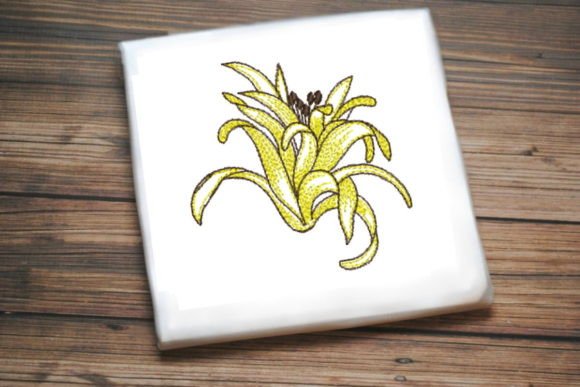
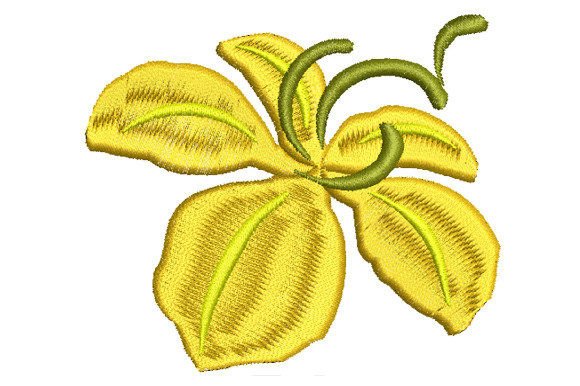
The Ratchaphruek, known scientifically as Golamondura chrysantha, is the national flower of Thailand and holds significant cultural weight in South Asia. Visually, it brings an immediate sense of warmth and organic elegance. When I first loaded the embroidery file into my digitizing software, the color palette dominated by yellow immediately suggested optimism, energy, and approachability. It feels less like a rigid corporate logo and more like a badge of artisanal quality.
For a small business owner—whether you run a boutique café, a handmade soap shop, or a creative studio—this design strikes a balance between premium and playful. It avoids the stiffness of geometric logos while maintaining enough structure to look intentional. The floral nature aligns perfectly with brands that value nature, wellness, heritage, or local craftsmanship. It screams "handmade product" without looking amateurish, provided the execution is clean.
Real-World Business Applications
Where does this design truly shine? In my experience, the Yellow Ratchaphruek Flower is incredibly versatile for small business merch and branded goods. Here is how I see it performing across different product categories:
- Embroidered Patches: This is perhaps its strongest use case. The circular or compact nature of many floral designs makes them ideal for iron-on or sew-on patches. Imagine a craft beer brewery using it on a denim jacket patch, or a yoga studio placing it on the hem of a tote bag. It adds a tactile element that customers love.
- Apron Embroidery: For bakeries, florists, or culinary schools, placing this flower subtly on the chest pocket of a chef’s apron elevates the staff’s uniform. It signals care and attention to detail before the customer even speaks to the employee.
- Cap Embroidery: A smaller version of the design works beautifully on the front panel of a baseball cap or a structured bucket hat. It offers a softer alternative to traditional text-based caps, appealing to a younger, trend-conscious demographic.
- Tote Bag Design: Canvas totes are the holy grail of promotional items. The contrast of bright yellow thread against natural cotton or dark canvas creates a striking visual. It turns a simple utility item into a fashion accessory, encouraging wearers to become walking billboards for your brand.
- Custom Apparel Accents: Beyond standard placements, consider sleeve details or back yoke accents. It breaks up solid colors effectively and adds a layer of sophistication to plain t-shirts or hoodies.
Strategic Placement and Cautionary Notes
While the design is beautiful, not every application is suitable. As a designer, I must advise caution in certain scenarios to ensure the finished product looks professional rather than cluttered or distorted.
First, be mindful of scale. If you attempt to embroider this design on a very small patch (under 2 inches), pay close attention to the stitch density. Fine details can merge together if the resolution is too low, resulting in a muddy blob rather than a distinct flower. Always test at the actual size you intend to produce.
Second, consider the fabric texture. On highly textured fabrics like heavy tweed or rough burlap, the definition of the petals may get lost. Smooth cotton, polyester blends, or twill provide the best canvas for this level of detail. Similarly, when working with dark uniforms, ensure there is sufficient underlay stitching to prevent the yellow thread from showing through the base fabric, which can ruin the vibrancy of the color.
Avoid placing intricate floral details near high-friction areas like collar seams or zipper tracks unless you are confident in the stabilizer choice. Frequent washing and abrasion can cause loose threads or pilling around the edges of the design. Using a proper cut-away stabilizer is non-negotiable for long-term durability in commercial embroidery.
Impact on Brand Identity and Trust
Design choices directly influence customer perception. The Yellow Ratchaphruek Flower contributes to a brand identity that feels established yet accessible. It suggests that your business values tradition and beauty, which can enhance customer trust and recognition.
When a customer sees a consistent, high-quality embroidered logo on your products, it subconsciously signals that you invest in quality. It moves your brand away from disposable fast fashion or generic print-on-demand items and toward something more curated. For Etsy sellers and craft business assets, this distinction is vital. It helps justify a higher price point because the product feels unique and personally crafted.
Furthermore, the yellow hue is psychologically associated with happiness and clarity. Using this design asset can make your packaging or marketing materials feel more inviting. It encourages engagement and makes your booth or storefront stand out in a crowded market.
Practical Designer Notes for Production
Before you commit this design to bulk production, follow these essential steps to avoid costly mistakes:
- Test in Black and White: Convert the design to monochrome to check the contrast and spacing. If the elements blend together without color, they will likely fail in embroidery due to stitch overlap.
- Check Thread Color Contrast: Ensure the yellow thread stands out clearly against your chosen fabric. On light beige or white backgrounds, you may need a darker shade of gold or amber to maintain visibility.
- Inspect Hoop Size Requirements: Confirm the maximum dimensions of the design. Ensure it fits comfortably within your machine’s hoop area with adequate margin for hooping stability.
- Create a Printable Mockup: Before stitching, create a digital mockup to show clients or stakeholders. This allows for approval on placement and scale without wasting thread and time.
- Verify Commercial Licensing: Most importantly, confirm that you have the right to use this digital embroidery file for commercial purposes. Many designers sell files for personal use only. Check the license terms explicitly to avoid legal issues.
- Stabilizer Selection: Match the stabilizer to the fabric weight. Heavy fabrics need heavy stabilizers; delicate silks require tear-away options to prevent distortion.
In conclusion, the Yellow Ratchaphruek Flower is a strong contender for any brand looking to add a touch of organic elegance to their merchandise. It performs well as an embroidered patch, a subtle uniform accent, or a standout tote bag design. By paying attention to technical details like stitch density, fabric choice, and licensing, you can transform this floral motif into a powerful tool for building a cohesive and professional brand image. Whether you are designing for a local bakery or a global online store, this design offers the versatility needed to succeed in the competitive world of custom apparel and branded goods.