Aero Flower Embroidery Design Review
If you are a busy Etsy seller, a weekend craft fair regular, or a boutique maker looking to expand your inventory, you know that the difference between a design that sits in your digital folder and one that actually sells often comes down to visual impact and production practicality. I recently reviewed the Aero Flower pattern from the Single Flowers Plants category, and I wanted to share my professional perspective on whether this machine embroidery design is worth adding to your rotation for handmade product lines.
As an experienced embroidery designer, my job isn't just to look at a digitized file; it is to visualize how that file will perform on actual merchandise. When I see a description claiming a design will make your creations "look out of this world" and serve as an "adorable accent," I immediately start thinking about booth displays, tote bags, and gift items. Here is my breakdown of the Aero Flower design and how it fits into the current market for craft fair products.
First Impressions: Visual Appeal and Market Fit
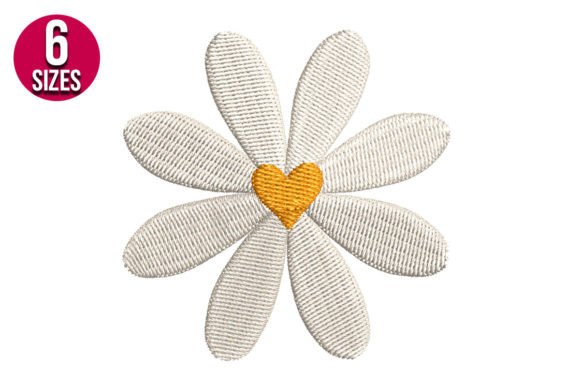
The title "Aero Flower" suggests something light, airy, and perhaps slightly modern or whimsical. In the context of the Single Flowers Plants category, this usually implies a design that is not overly heavy or dense. For craft fair sellers, this is a crucial distinction. Customers walking through a crowded market are drawn to designs that pop but do not overwhelm the fabric.
From a branding standpoint, Aero Flower feels versatile. It does not scream "rustic farmhouse" nor does it strictly adhere to "minimalist chic." Instead, it occupies a sweet spot that works for small shop product lines aiming for a fresh, contemporary aesthetic. The promise of an "adorable accent" tells me this design is likely optimized for placement rather than all-over printing. This makes it highly attractive for buyers who want unique, personalized items without paying premium prices for extensive labor-intensive stitching.
Product Application: Where Aero Flower Shines
To determine the true value of any embroidery file, we have to talk about application. I imagine setting up a table display with various items featuring the Aero Flower design. Here is where I see the highest potential for sales:
- Tote Bags and Market Bags: A single Aero Flower placed on the front pocket or centered on a canvas tote bag creates an instant statement piece. The design’s likely clean lines will photograph beautifully for online listings, giving Etsy sellers a strong advantage in search results.
- Apron Embroidery: Placing the flower near the chest pocket or centered on the bib of a linen apron elevates a basic kitchen staple into a giftable item. The "out of this world" claim holds true here, as floral accents on neutral fabrics create high perceived value.
- Tea Towel Embroidery: This is a classic craft fair best-seller. Because tea towels are lightweight, a design with moderate stitch density like Aero Flower will lie flat and drape well. It adds a touch of elegance without adding bulk.
- Embroidered Patches and Caps: If the design has a defined border or can be easily framed by a hoop, it translates well to patches. For caps, the curved surface requires a design that isn't too wide. Aero Flower’s nature as an accent suggests it may fit perfectly on the front panel of a baseball cap or a bucket hat.
- Fabric Pouches and Pillow Covers: For smaller items like zipper pouches, the design serves as a focal point. On pillow covers, it can be repeated in a cluster or used singly for a more sophisticated look.
Production Practicality and Batch Manufacturing
For the commercial embroidery side of things, efficiency is key. When preparing for a busy weekend market, you need designs that run reliably and quickly. The Aero Flower description highlights it as "high-quality," which is a good sign, but as a designer, I always advise caution regarding technical execution.
Photography and Online Listings: One of the biggest challenges for digital sellers is creating printable mockups. A design that looks simple in the digitizing software might look muddy when printed on a photo. However, if Aero Flower relies on clear shapes and good contrast, it will translate well to digital assets. This means you can create compelling listing images even before you stitch the first physical sample.
Batch Production: If you plan to produce these items in batches, consider the thread colors. Does the design use many color changes? High color counts increase hooping time and thread waste. If Aero Flower is designed with fewer color transitions, it becomes a much more profitable craft fair product because your turnaround time per unit decreases.
Careful-Use Notes and Technical Considerations
No design is perfect, and knowing the limitations is part of being a professional. Before you commit to mass-producing Aero Flower, keep these technical factors in mind:
- Stitch Density and Fabric Texture: Check the stitch density carefully. If the design is too dense for lightweight cotton tea towels, it may pucker. Conversely, if it is too sparse, it may not cover the fabric texture adequately on heavier materials like denim tote bags. Always test on scrap fabric that matches your final product.
- Small Details and Clarity: The description mentions it is an "accent." This often implies smaller details. Be wary of tiny elements that might get lost in the stitching process, especially if you are embroidering on dark fabrics where thread contrast is lower. Inspect the design closely to ensure no fine lines will break or merge during production.
- Hoop Size Constraints: Confirm the hoop size required. If the design is large, it may limit the types of products you can embroider (e.g., small caps or narrow pouches). Ensure the dimensions align with your available hoop sizes to avoid re-digitizing or resizing issues.
- Stabilizer Selection: The choice of stabilizer is critical. For delicate fabrics, a cut-away stabilizer might be necessary for durability, while tear-away may suffice for sturdy canvas. Using the wrong stabilizer can ruin the "premium" feel of the finished product.
Final Verdict for Craft Fair Sellers
The Aero Flower design appears to be a strong candidate for creators looking to add fresh, appealing items to their booths. Its positioning as an "adorable accent" makes it flexible enough for a wide range of handmade product categories, from home decor to apparel.
For commercial embroidery businesses, the key to success with this design will be presentation. Use it on high-quality base products—think natural linens, sturdy organic cottons, or premium canvas. The design itself provides the charm, but the quality of the underlying material provides the justification for the price point.
I recommend creating at least one real mockup using the exact threads and fabrics you plan to sell. Compare different thread colors against your base fabrics to see which combination captures attention best. Once you confirm the technical stability of the stitch work and verify your commercial licensing terms, Aero Flower could easily become a standout item in your collection. It checks the boxes for visual appeal, versatility, and practical production value, making it a smart addition for any serious handmade entrepreneur.