US American Flag Eagle Embroidery Review
As an embroidery designer who spends weekends manning craft fair booths and managing a busy online shop, I know that the difference between a design that sits in your digital library and one that flies off the shelf comes down to visual impact and production practicality. When I first reviewed the US American Flag Eagle for potential use in my handmade product line, I wasn't just looking at the graphic; I was evaluating it as a commercial asset. This review breaks down how this patriotic motif performs in real-world scenarios, from the initial glance of a customer walking past your booth to the final stitch on a high-margin finished product.
First Impressions and Visual Appeal
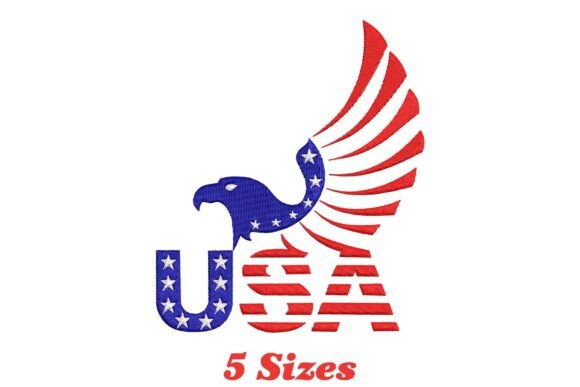
The US American Flag Eagle strikes a balance between bold patriotism and decorative elegance. In the crowded landscape of handmade goods, particularly those tied to holidays like Memorial Day, Independence Day, or Labor Day, designs need to command attention without appearing cluttered. This design feels premium rather than cheaply generated. The eagle motif, combined with the flag elements, suggests a rustic yet refined aesthetic that appeals to a broad demographic. It avoids being overly "cute" or childish, which makes it versatile enough for adult-oriented items like leather patches, heavy-duty aprons, and sophisticated home décor pillows.
From a branding perspective, this design communicates quality. Customers at craft fairs often make purchasing decisions within seconds. A well-executed eagle and flag combination signals tradition, pride, and craftsmanship. It stands out against neutral backgrounds and pairs exceptionally well with denim, white canvas, and natural linen textures common in tote bags and market totes.
Product Application and Versatility
One of the strongest selling points of the US American Flag Eagle is its adaptability across various craft fair products. Here is how it translates to specific items:
- Tote Bags and Market Totes: This is perhaps the highest-volume seller. Placing the design on the front pocket of a canvas tote bag creates a focal point that is visible even when the bag is folded. It works beautifully as a tote bag design because the sturdy fabric supports the weight of the stitches without puckering.
- Kitchen Aprons and Tea Towels: For the home cook, this design adds a touch of personality. On a tea towel embroidery project, it serves as a charming accent near the hem. On an apron, it can be centered on the bib, offering a large surface area where the details of the eagle feathers and flag stripes can truly shine.
- Embroidered Patches: The design lends itself well to being digitized as a standalone patch. These are highly sought after for jackets, backpacks, and caps. An embroidered patch featuring this motif allows customers to add a permanent badge of pride to their existing gear.
- Caps and Hats: While curved surfaces present challenges, a medium-sized version of this design works well on the front panel of baseball caps. However, care must be taken with the hoop placement to ensure the flag does not distort around the curve.
- Pillow Covers and Home Décor: For indoor sales, stitching this onto throw pillows offers a high perceived value. The texture of the thread adds depth that prints cannot replicate, making it a superior choice for home déc items.
Photography and Online Listings
For Etsy sellers and boutique makers, photography is crucial. The US American Flag Eagle photographs exceptionally well because of its strong color contrast and clear lines. When creating printable mockups for your listings, ensure you show the item in natural light. The red, white, and blue palette pops on social media feeds, drawing the eye immediately. Including close-up shots that highlight the stitch density and thread sheen will help justify a higher price point by demonstrating the tangible quality of the work.
Production Practicality and Sales Strategy
From a production standpoint, efficiency is key to profitability. This design appears to have a balanced stitch count, allowing for reasonable run times without sacrificing detail. It is suitable for batch production, meaning you can prepare multiple units for a weekend market efficiently. The design works well as both a small accent or a larger central focal point, giving you flexibility in pricing tiers.
When displaying these items at a booth, hang them at eye level. The vertical orientation of many eagle designs draws the gaze upward. Pairing the embroidered items with complementary props, such as burlap ribbons or wooden crates, enhances the rustic, handmade feel that resonates with target buyers.
Technical Considerations and Careful Use Notes
While the design is visually striking, there are technical nuances every embroiderer must consider to avoid costly mistakes:
- Stitch Density and Tiny Details: Examine the feathering and flag stripes closely. If the design includes very fine lines, ensure your machine settings support high resolution. On textured fabrics like terry cloth towels, tiny details may get lost, so test on scrap material first.
- Fabric Texture and Stability: Always use the correct stabilizer for your fabric. Heavy-cutaway stabilizers are recommended for stretchy materials like jersey t-shirts to prevent distortion. For woven cottons, tear-away or cut-away options depend on the weight of the garment.
- Hoop Size and Placement: Verify the required hoop size before starting production. Designs that are too large for standard hoops may require multi-hooping, which increases the risk of misalignment. Ensure the design fits comfortably within your intended product dimensions.
- Thread Contrast: Choose threads that offer good contrast against your base fabric. Dark fabrics may require lighter or metallic threads to make the white and red elements pop. Conversely, light fabrics benefit from rich, saturated colors.
- Small Lettering: If the design includes text, check legibility. Small lettering can become illegible if stitched too small or on fuzzy fabrics. If clarity is a concern, consider simplifying the text or increasing the font size.
Designer’s Checklist for Success
Before committing to mass production for your next craft fair, follow these essential steps:
- Test on Scrap Fabric: Never skip the test stitch. Check how the design behaves on the actual fabric you plan to sell.
- Review Spacing and Alignment: Ensure the design is centered and balanced within the hoop.
- Inspect Stitch Density: Look for areas of excessive buildup that might cause puckering or needle breakage.
- Create Real Mockups: Produce at least one finished sample to evaluate the look and feel in person.
- Confirm Commercial Licensing: As a professional, you must verify that you have the right to sell finished products made from this digital embroidery file. Check the license terms provided by the designer or platform.
Final Verdict
The US American Flag Eagle is a strong contender for any commercial embroidery business focused on patriotic themes. Its blend of traditional symbolism and modern execution makes it a safe yet appealing choice for small shop products. Whether you are producing design assets for other creators or crafting finished products for direct sale, this design offers the visual punch and production reliability needed to succeed in competitive markets. By paying attention to fabric choices, stabilizer usage, and presentation, you can turn this simple machine embroidery design into a bestseller that captures customer attention and drives sales.