Flag of Arkansas Embroidery Review
As a designer who spends most of my day evaluating stitch density, color transitions, and overall visual impact for client projects, I don’t just look at an embroidery file; I look at how it will perform on the hoop. When I first pulled up the Flag of Arkansas design, my initial reaction was one of cautious optimism. It is a classic symbol of southern heritage, but translating that flag into a machine-readable format requires more than just basic geometry. It demands precision in its satin stitches and careful consideration of how the red, white, and blue will interact with various fabric textures.
This review isn’t just about whether the design looks good on a screen. It’s about whether it works for the craft business, whether it holds up after twenty washes, and whether it adds value to a handmade product. Whether you are an Etsy seller looking for your next bestseller or a hobbyist preparing a personalized gift, here is my practical assessment of using this machine embroidery design in real-world scenarios.
First Impressions: Mood and Visual Personality
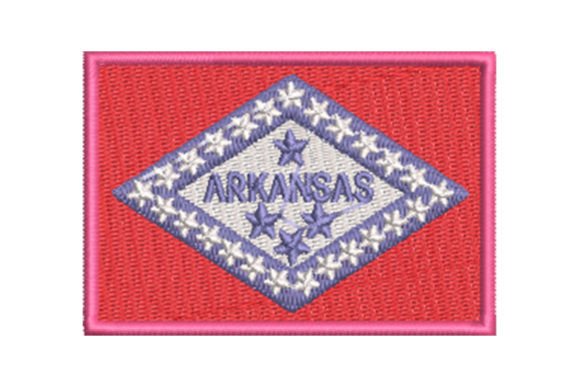
The Flag of Arkansas carries a distinct mood. It is bold, patriotic, and rooted in history. Visually, the design relies heavily on the contrast between the deep red diamond and the surrounding blue field. In terms of embroidery project potential, this high-contrast palette is excellent because it ensures visibility even from a distance. The central diamond shape provides a natural focal point, making it ideal for chest placements on apparel or centered layouts on home decor items.
However, the layout requires attention to detail. The flag features specific elements—the word "ARKANSAS" and the stars—that must remain legible. If the stitch density is too low, the text can become muddy. If it is too high, the fabric may pucker, especially on lighter materials. My first impression is that this design leans towards a traditional, clean aesthetic. It feels professional rather than whimsical, which makes it versatile for both casual wear and more formal boutique items.
Real-Life Application: Where This Design Shines
I recently evaluated this design with the intent of creating a line of custom apparel for a local community event. Here is how I see the Flag of Arkansas performing across different categories:
- Tote Bag Design: This is perhaps the strongest use case. A canvas tote bag provides a stable, flat surface that allows the satin stitch borders to lay perfectly flat. The durability of the bag matches the enduring nature of the flag motif. It creates a sturdy, marketable item that customers appreciate for its utility and aesthetic.
- Sweatshirt Embroidery: For fall and winter collections, this design translates beautifully onto fleece or cotton blends. The weight of the garment can support the thread count without excessive puckering. It appeals to those looking for cozy, regional pride pieces.
- Baby Embroidery: When scaled down appropriately, the flag makes for a charming addition to onesies or nursery decor. However, caution is advised here regarding fabric softness and safety standards for small children.
- Embroidered Patch: Creating a detachable patch using this design is a smart move for small shop product lines. Patches allow for versatility, enabling customers to attach the design to backpacks, jackets, or hats. The defined edges of the flag work well with standard patch finishes.
- Holiday Embroidery: While not strictly a holiday symbol, the red and white color scheme aligns well with summer events, state fairs, and patriotic holidays like the Fourth of July. It fits naturally into seasonal collections.
Technical Considerations and Potential Pitfalls
No design is perfect for every situation. As an experienced reviewer, I must highlight where the Flag of Arkansas might struggle if used incorrectly. Understanding these limitations is key to maintaining customer trust and ensuring a professional finish.
First, consider the hoop size. If you attempt to digitize or use this design on very small items, such as baby socks or tiny accessories, the details—particularly the lettering—may become indistinguishable. Always check the minimum recommended dimensions before committing to a small embroidery file.
Fabric texture plays a significant role. On highly textured fabrics, such as heavy waffle-knit towels or boucle weaves, the intricate details of the flag may get lost. The fill stitch areas might not cover the fabric evenly, leading to a patchy appearance. Similarly, stretchy fabrics like spandex blends require a strong stabilizer to prevent distortion during stitching. Without proper stabilization, the circular elements of the flag may warp, ruining the symmetry.
Dark fabrics present another challenge. If you are embroidering this design on black or navy fabric, ensure that the white threads provide sufficient coverage. Sometimes, multiple passes are needed to achieve opacity, which increases the stitch density and potentially the bulkiness of the final product. Testing on scrap fabric is non-negotiable in these cases.
Impact on Product Value and Brand Consistency
From a business perspective, the choice of design affects perceived value. The Flag of Arkansas is instantly recognizable. This recognition builds immediate rapport with buyers who identify with the region. It signals quality and attention to detail when executed well.
For digital product sellers offering printable mockups, this design serves as a reliable asset. It demonstrates professionalism and helps visualize how a finished product would look in a retail setting. When customers see a crisp, well-stitched flag on a high-quality mockup, their confidence in the finished product increases. This directly impacts conversion rates and reduces returns due to dissatisfaction with print quality.
Furthermore, consistency matters. If you are building a brand around southern aesthetics, incorporating the Flag of Arkansas alongside complementary designs—such as floral motifs or rustic typography—creates a cohesive collection. It tells a story and strengthens your brand identity.
Practical Designer Notes for Success
To ensure the best results when working with this embroidery project, follow these essential steps:
- Test on Scrap Fabric: Never run a new design directly onto your final material. Use scraps of the same fabric and stabilizer combination to check for puckering, tension issues, and color accuracy.
- Check Thread Color Contrast: Verify that the chosen thread colors match the official flag shades. Incorrect hues can make the design look cheap or inaccurate.
- Inspect Small Details: Zoom in on the digital preview. Are the stars clear? Is the text readable? If the resolution is low, the physical result will be blurry.
- Confirm Hoop Size: Ensure your embroidery machine’s hoop can accommodate the design’s maximum dimensions without cutting off any critical elements.
- Use Proper Stabilizer: Choose a cut-away stabilizer for knit fabrics to maintain stability over time, and tear-away for woven fabrics if the design is lightweight.
- Review Licensing: Before selling commercial embroidery items, confirm the licensing terms of the digital embroidery file. Some designers restrict commercial use, while others allow it with attribution.
In conclusion, the Flag of Arkansas is a solid, versatile choice for designers seeking to add regional flair to their collections. It performs well in tote bag design, sweatshirt embroidery, and embroidered patch applications, provided that technical precautions are taken. By focusing on quality execution and thoughtful placement, you can create products that resonate with customers and stand the test of time.