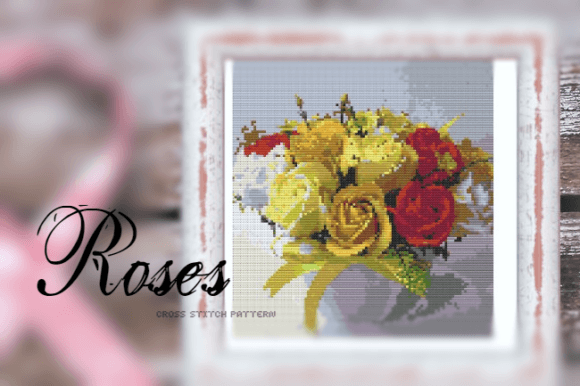
Roses Cross Stitch Pattern Review
As an embroidery designer who spends most of my days digitizing and testing designs for boutique apparel, I am always looking for that perfect balance between artistic charm and technical feasibility. When browsing Creative Fabrica embroidery collections, I often find myself drawn to designs that offer a distinct visual personality without requiring hours of complex digitizing work. Recently, I took a closer look at the Roses. Cross Stitch Pattern, a vintage-style still life design that caught my eye for potential use in upcoming seasonal collections. This review breaks down how this specific graphic might translate from a digital file into a tangible, high-quality handmade product.
First Impressions: Visual Mood and Aesthetic
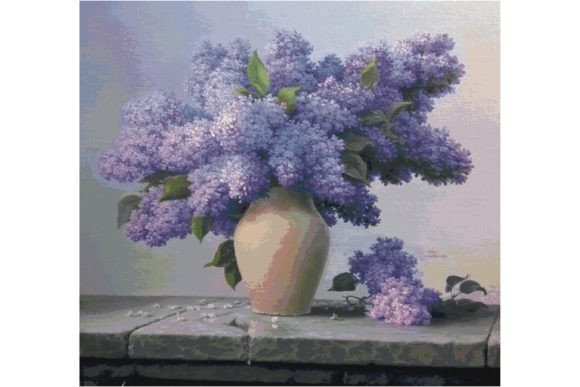
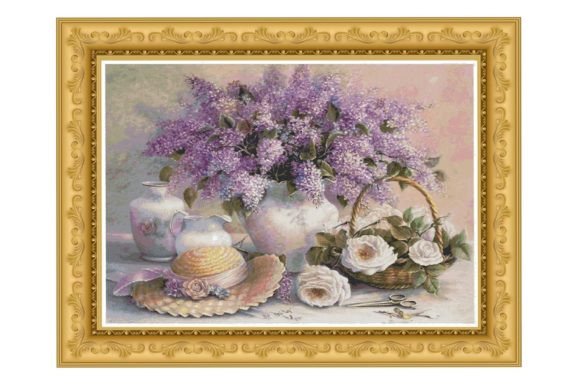
The first thing you notice about Roses. Cross Stitch Pattern is its immediate sense of nostalgia. Described as a "vintage still life with roses," the design carries a classic, feminine weight that feels both rustic and refined. With a design size of 110 x 118 stitches, it occupies a medium footprint—large enough to be noticed on a garment but compact enough to fit comfortably on standard placement areas like the chest or sleeve cuff.
The use of 27 thread colors from the DMC palette suggests a rich, painterly effect. In cross-stitch emulation, color variation is key to avoiding a flat, blocky appearance. For an apparel decorator, this means the final product will have depth and texture, mimicking the look of traditional handwork while maintaining the consistency expected of machine embroidery. It feels premium rather than casual, making it suitable for brands aiming for a higher-end boutique aesthetic.
Applying the Design to Apparel Projects
I recently imagined using Roses. Cross Stitch Pattern for a small sweatshirt collection targeting Etsy sellers and small clothing brands. Here is how I see it performing across different garment types:
- Sweatshirt Embroidery: The neutral tones typical of vintage rose palettes pair beautifully with heather grey, oatmeal, or cream crewneck sweatshirts. The contrast allows the intricate stitch details to pop without overwhelming the fabric.
- Hoodie Chest Placement: At 110 x 118 stitches, this fits perfectly on the left chest of a hoodie. It adds a touch of elegance to what is usually a utilitarian garment. I also envision this placed on the back yoke for a more statement-making look.
- Sleeve Accents: The compact nature of the design makes it ideal for sleeve cuffs or upper arm placements. It creates a subtle, curated detail that customers appreciate in lifestyle product photos.
- Tote Bags and Accessories: Beyond clothing, this design translates well to canvas tote bags. The cross-stitch aesthetic complements the rougher texture of cotton canvas, enhancing the handmade appeal.
- Denim Jackets: For a trendy, customizable approach, placing Roses. Cross Stitch Pattern on the back of a denim jacket offers a strong visual anchor. The density of the stitches holds up well against the sturdy weave of denim.
Technical Considerations for Boutique Merchandise
While the visual potential is clear, there are practical aspects every designer must consider before moving to production. The description notes that DMC threads were used, but other threads can be substituted. This flexibility is crucial for commercial embroidery, where thread availability can vary.
Stitch Density and Fabric Texture: With 27 colors, the stitch density could potentially become high. Before committing to a full run, I always advise testing on scrap fabric similar to your final garment. If the fabric is too soft or stretchy, such as certain fleece blends, the dense stitching may cause puckering. Using the correct stabilizer is non-negotiable here; a cut-away stabilizer would likely be necessary to maintain the integrity of the design on knit fabrics.
Hoop Size and Placement: You must confirm the hoop size required for this embroidery file. While 110 x 118 stitches is manageable in a standard 4x4 inch hoop, precise placement on curved surfaces like shoulders or sleeves requires careful hooping techniques to avoid distortion. Always inspect the stitch density during your test runs to ensure the underlay isn't pulling the fabric too tightly.
Where to Use Carefully
There are specific scenarios where Roses. Cross Stitch Pattern might not perform optimally:
- Dense Stitch Areas on Stretchy Fabric: Avoid placing this on highly elastic ribbed fabric without a heavy-duty stabilizer, as the tension may cause the design to warp when the garment is stretched.
- Small Chest Placement on Large Sizes: On oversized garments, a smaller design like this might get lost visually. Ensure the scale matches the target audience's expectations.
- Dark Garments: If your base garment is black or navy, verify that the thread colors chosen provide sufficient contrast. Some pastel shades in the DMC palette may disappear against dark backgrounds.
- Curved Surfaces: While possible, embroidering directly onto curved seams or tiny lettering areas near the design can be tricky. Plan your layout to avoid these high-risk zones.
Impact on Brand Identity and Product Value
In the world of custom apparel, visual consistency builds buyer trust. Using a cohesive design language, such as the vintage aesthetic of Roses. Cross Stitch Pattern, helps establish a recognizable brand identity. Customers associate this style with quality, care, and attention to detail.
For an Etsy seller or small shop product owner, this design offers a versatile asset. It works equally well in printable mockups for social media graphics and as a physical finished product. The "cross stitch" look appeals to consumers who value craftsmanship, even if the piece was machine-embroidered. This perception can justify a higher price point and increase customer engagement through shareable, aesthetically pleasing content.
Practical Designer Notes for Production
If you decide to incorporate this digital embroidery file into your commercial embroidery workflow, keep these steps in mind:
- Test on Scrap Fabric: Never skip this step. Test the design on the exact fabric type you plan to sell.
- Check Stabilizer Choice: Match the stabilizer to the fabric weight and stretch.
- Review Thread Color Contrast: Ensure the 27 colors remain distinct on your chosen garment color.
- Confirm Hoop Size: Verify that your machine’s hoop can accommodate the 110 x 118 stitch area with room for positioning.
- Inspect Stitch Density: Look for any areas that might be too dense for the fabric to support.
- Compare Placement Options: Mock up the design on different parts of the garment to find the most flattering position.
- Check Licensing: Before selling finished apparel, carefully review the Creative Fabrica product details and licensing terms to ensure you have the right to produce and sell items made with this design.
Ultimately, Roses. Cross Stitch Pattern offers a charming, classic option for designers looking to add a touch of vintage elegance to their custom apparel lines. By paying attention to technical details like stabilizer selection and thread contrast, you can transform this simple graphic into a standout piece for your boutique brand.