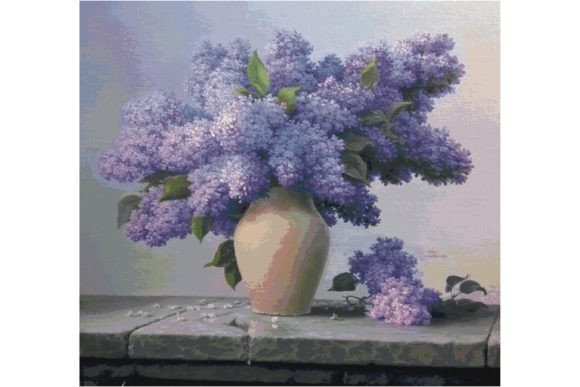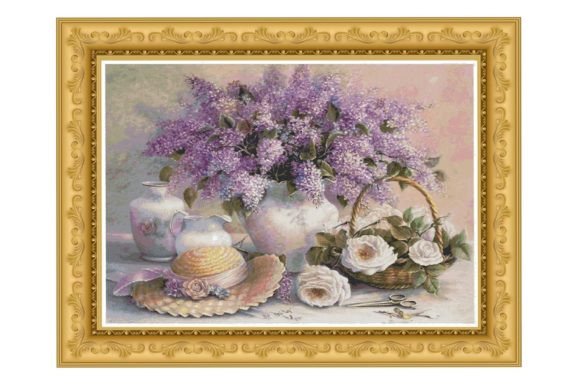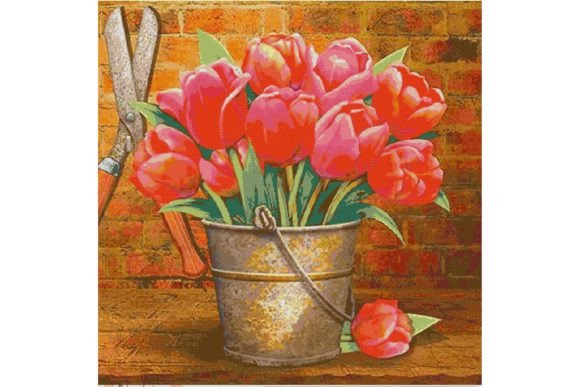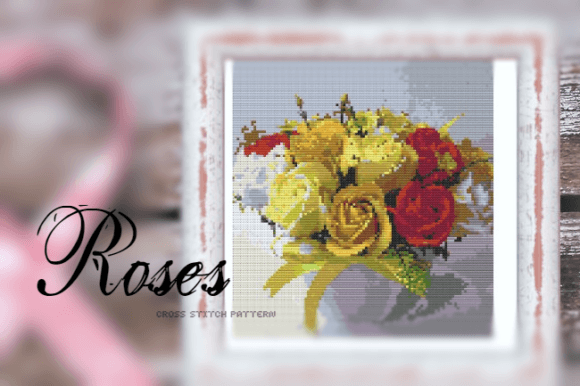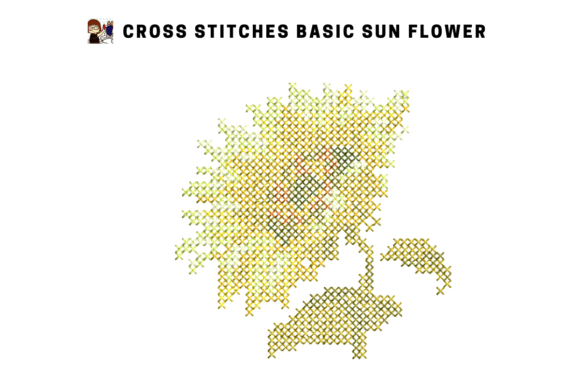
Counted Cross Stitch Pattern-Flowers 134
As an embroidery designer who frequently consults for small businesses, boutiques, and handmade brands, I spend a lot of time evaluating designs not just for their aesthetic appeal, but for their commercial viability. When a client asks if a specific digital asset can be converted into a high-quality embroidered patch or a consistent brand mark for custom apparel, I look beyond the pretty picture. I look at stitch density, scalability, and visual clarity at reduced sizes. Today, I am reviewing Counted Cross Stitch Pattern-Flowers 134, a design that falls under the category of Cross Stitch Patterns and Graphics. This review focuses on its potential use in small business merch, branded uniforms, and product packaging accents.
First Impressions: Visual Personality and Brand Fit
The title Counted Cross Stitch Pattern-Flowers 134 suggests a classic, botanical theme. In the world of brand identity, floral motifs are evergreen—they convey warmth, nature, and craftsmanship. For a florist, a boutique bakery, or a handmade skincare brand, this design immediately signals a handmade product vibe. It feels friendly yet professional, avoiding the overly corporate stiffness of vector logos while maintaining enough structure to be recognizable.
Because the product description specifies that this is a charted pattern for 14-count fabric with large, easy-to-read charts, it implies a design that is likely clean and uncluttered. From a designer’s perspective, this is crucial. A design that reads well on paper will translate better to thread. The "flowers" element offers versatility; it can be interpreted as rustic and vintage or modern and minimalistic depending on your thread colors and fabric choice. This flexibility makes it a strong candidate for digital embroidery file conversion, provided the underlying grid supports clear definition.
Real-World Business Applications
So, where does Counted Cross Stitch Pattern-Flowers 134 shine in a commercial setting? Let’s break down its utility across various merchandise categories.
- Embroidered Patches: This is perhaps the most lucrative application. Small businesses love patches for jackets, hats, and tote bags. Because the design is floral, it works beautifully as a chest logo accent on work shirts or as a sleeve detail on denim jackets. The key here is converting the counted chart into a machine-readable format that maintains the integrity of the flower shapes without becoming muddy.
- Apron Embroidery: For cafes, bakeries, and craft studios, branded aprons are essential. Placing Counted Cross Stitch Pattern-Flowers 134 on the bib or pocket area adds a touch of artisanal charm. It elevates the staff uniform from generic to personalized, boosting customer trust and recognition.
- Tote Bag Design: Tote bags are walking billboards. A centered floral motif on a canvas tote bag creates a premium look. Customers are more likely to carry a bag that looks like a thoughtful gift rather than a cheap promotional item. This design’s aesthetic aligns perfectly with the handmade product market.
- Cap Embroidery: Floral caps are trending in lifestyle branding. Whether for a pet brand launching a new line of accessories or a local event, a small, well-executed floral patch on a cap front can serve as a subtle yet effective brand marker.
- Product Packaging Accents: Beyond fabric, this design can be used as a printable mockup for labels, tags, and stickers. If you sell candles, soaps, or baked goods, a sticker featuring this pattern reinforces your brand identity before the customer even opens the package.
Where Caution Is Required
While the potential is high, not every application is suitable. As a professional, I must advise against using Counted Cross Stitch Pattern-Flowers 134 in scenarios where fine detail might be lost. Be careful with:
- Small Patch Sizes: If you plan to make patches smaller than two inches, the individual flowers may merge into a blob. Ensure the design has enough negative space to breathe.
- Curved Surfaces: While caps and sleeves curve, extreme curvature can distort the symmetry of a floral pattern. Test your digitization on the actual curved surface before mass production.
- High Stitch Density: If the original chart contains dense clusters of stitches, converting this to a machine embroidery design might result in thick, stiff areas that feel uncomfortable on garments like aprons or work shirts.
- Dark Uniforms: On dark fabrics, light-colored threads can get lost. You will need to choose high-contrast thread colors or add a backing stabilizer that enhances visibility.
- Frequent Washing: For items that require heavy-duty laundering, such as restaurant aprons, ensure the design is anchored properly. Loose ends on detailed floral patterns can snag and unravel over time.
Impact on Brand Identity and Customer Engagement
Using Counted Cross Stitch Pattern-Flowers 134 in your merchandise does more than just decorate; it communicates values. In an era where consumers crave authenticity, the look of cross-stitch—even when machine-embroidered—suggests care, attention to detail, and a human touch. This directly impacts buyer engagement. A customer seeing a beautifully stitched floral logo on a tote bag perceives higher value in the brand behind it. It suggests that the business cares about aesthetics and quality, which translates to perceived reliability. Furthermore, visual consistency across different assets—from your website graphics to your physical design assets—builds a cohesive brand story that resonates with your target audience.
Practical Notes for the Embroidery Designer
Before committing to production, follow these essential steps to ensure Counted Cross Stitch Pattern-Flowers 134 performs as expected:
- Test in Black and White: Print the chart in grayscale first. This helps you assess the contrast and spacing of the elements without the distraction of color. If it doesn’t read clearly in black and white, it won’t read clearly in thread.
- Check Small Scale: Shrink the digital file to the size of your intended patch or logo. Does the floral pattern remain distinct? If details disappear, simplify the design during digitization.
- Review Thread Color Contrast: Select thread colors that offer sufficient contrast against your target fabric. Don’t rely solely on the chart’s colors; test them on the actual material.
- Inspect Spacing and Hoop Size: Confirm that the design fits comfortably within your standard hoop size. Avoid placing critical details too close to the edge of the hoop, as tension can distort the fabric.
- Test on Real Fabric: Never skip the prototype stage. Stitch the design on the exact fabric type (cotton, denim, canvas) you plan to use. Check how the fabric texture interacts with the stitches.
- Use Proper Stabilizer: Depending on the fabric weight, select an appropriate stabilizer to prevent puckering, especially around the delicate curves of the flowers.
- Create a Mockup: Before finalizing, create a printable mockup for client approval. Show the design on the actual product to visualize the final outcome.
- Compare Side-by-Side: Place the design next to other design assets in your brand kit. Does it harmonize with your existing logos and typography?
- Confirm Licensing: Most importantly, verify that you have the right to use this pattern for commercial embroidery. The product description states it is a PDF chart pattern only; ensure no restrictions prevent you from selling finished goods made from it.
In conclusion, Counted Cross Stitch Pattern-Flowers 134 offers a versatile, charming foundation for small business merchandise. With careful planning regarding scale, materials, and digitization, it can become a powerful tool in building a memorable and trustworthy brand presence.