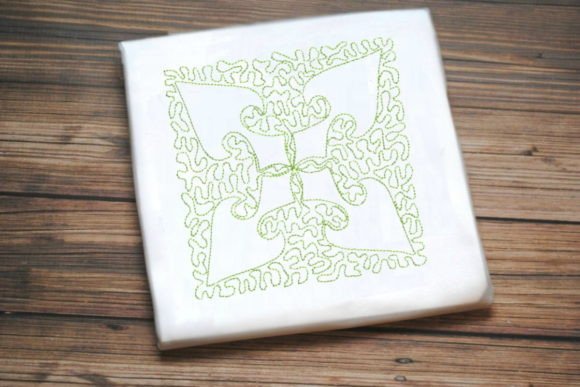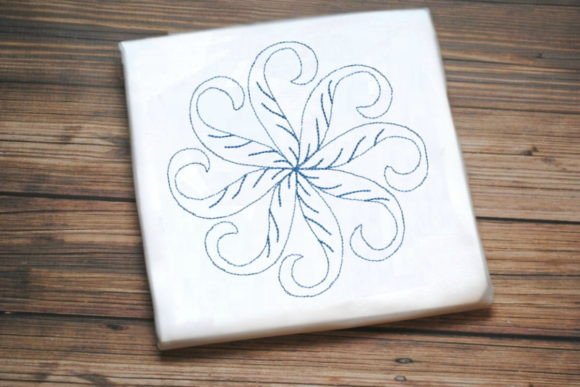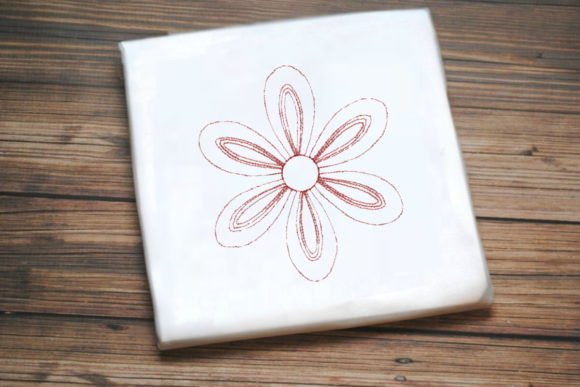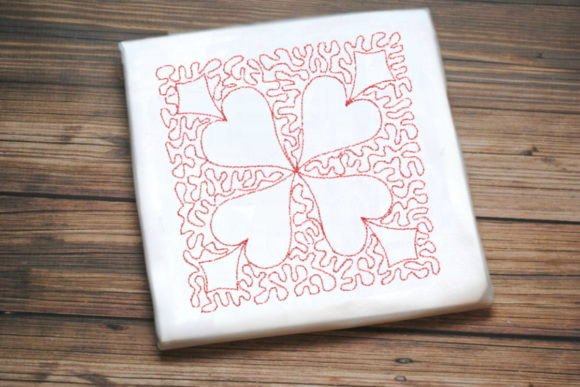
Blue Green One Line Flower Review
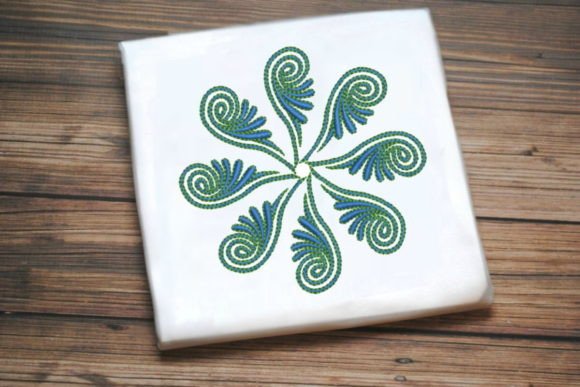
I have spent years designing for the handmade market, walking through craft fairs, and analyzing what makes a customer stop at a booth. Today, I am reviewing Blue Green One Line Flower, a design that promises to be fun, easy, and elegant. As an experienced embroidery designer, my job is not just to look at the aesthetic but to judge its commercial viability. Will this design sell? Does it photograph well? Is it practical for batch production? Here is my professional assessment of this machine embroidery design as we prepare for the next season of craft fairs and online sales.
First Impressions: The Aesthetic Appeal
The title Blue Green One Line Flower suggests a specific style: minimalism with a touch of nature. In the world of embroidery file trends, "one line" art has been incredibly popular because it feels modern, clean, and sophisticated without being overwhelming. When you see a design described as "fun and easy to stitch," it usually means the digitizing is straightforward, which is a huge plus for production speed.
Visually, this design likely strikes a balance between rustic charm and contemporary elegance. The blue-green palette is versatile. It complements natural linen tones, crisp whites, and even darker denim blues. For a craft fair product, versatility is key. You want items that appeal to a wide range of tastes. This flower design does not scream for attention; instead, it whispers quality. It feels premium, which allows you to price your finished goods higher because the perceived value is elevated by the clean lines and soothing colors.
Product Applications: Where It Shines
When preparing a table display, you need products that showcase the design in its best light. Based on the characteristics of Blue Green One Line Flower, here is where I recommend focusing your efforts:
- Tote Bags: A classic tote bag design. The single-line aesthetic looks stunning on canvas or cotton canvas bags. It works as a small chest logo or a larger center placement. Because the design is elegant, it elevates a basic tote into a boutique item.
- Kitchen Linens: For tea towel embroidery, this design adds a pop of color without cluttering the fabric. It photographs beautifully for Etsy listings and online shops. Imagine a set of three towels, each with a variation of the flower, hanging neatly on a rack at a market.
- Caps and Hats: Embroidered caps are high-margin items. However, the curvature of the hat requires careful testing. If the one-line style is simple enough, it will remain legible on the curved surface of a cap front panel.
- Fabric Pouches and Small Goods: Use this for zippered pouches or cosmetic bags. The compact nature of the design fits perfectly in smaller spaces, making it ideal for impulse buys at a booth.
- Patches: If the design allows for a clean edge, it can be turned into an embroidered patch. These are highly sought after by other crafters who iron them onto jackets or backpacks.
Production Practicality and Selling Points
From a business owner’s perspective, ease of use translates directly to profit margins. The description notes that this is "fun and easy to stitch." In practical terms, this likely means lower hoop times and fewer errors during production. When you are stitching dozens of items for a weekend market, efficiency matters.
This design performs well as both a small accent and a focal point. Its simplicity ensures that it remains clear even if stitched at a smaller scale. For a small shop product, having a design that scales well gives you flexibility. You can offer a mini version on a keychain and a large version on a pillow cover using the same digital asset.
Photography is crucial for digital sellers. Clean lines like those in Blue Green One Line Flower tend to photograph sharply. They do not get lost in shadows or blur easily. This means your printable mockup images will look professional and trustworthy, increasing click-through rates on your online store.
Important Considerations and Careful Use Notes
While the design sounds promising, no digitizer should assume perfection without testing. There are several technical factors to consider before you start mass-producing these items.
Stitch Density and Clarity: Even simple designs can suffer from poor digitizing. Check the stitch density closely. If the lines are too thin, they may look broken or weak on thick fabrics. Conversely, if the fill areas (if any) are too dense, the fabric may pucker. Always inspect the design file to ensure the thread paths are logical and smooth.
Fabric Compatibility: The design is described as looking good on "any fabric," but in reality, texture matters. On highly textured fabrics like heavy waffle weave tea towels, fine details might get lost. On dark fabrics, you must ensure there is sufficient contrast between the thread colors and the background. Blue-green threads on navy blue might lack definition unless you use a white underlay or topstitch.
Hoop Size and Placement: Confirm the recommended hoop size for this design. If it is intended for a 4x4 inch hoop, it is very manageable for most machines. However, if it requires a larger hoop, consider whether your equipment can handle it comfortably. Also, remember that curved surfaces like caps require special hoops or stabilizers to prevent distortion.
Commercial Licensing: Before selling any finished products, you must verify the licensing terms. Just because you bought the digital embroidery file does not always grant you the right to sell physical items made from it. Ensure you have a valid license for commercial embroidery to avoid legal issues.
Designer’s Checklist for Success
To maximize the potential of Blue Green One Line Flower in your booth or online shop, follow these steps:
- Test on Scrap Fabric: Never go straight to your final product. Stitch the design on scraps of the actual fabric you plan to sell. This reveals how the stabilizer interacts with the material and how the threads behave.
- Check Thread Contrast: Lay out your thread choices against the fabric. Do the blue and green tones pop? Do they blend in too much? Adjust until the design stands out clearly.
- Create Real Mockups: Make at least one real sample of your best-selling product type. Photograph it in natural light. See how the fabric texture affects the look of the lines.
- Review Spacing: If you plan to repeat the design, check the spacing. Does it look crowded? Or does it breathe well? Consistent spacing enhances brand consistency.
- Inspect for Tiny Details: Look closely at the ends of the lines. Are they anchored properly? Loose ends can look unfinished and reduce the perceived quality of the finished product.
Final Verdict
Blue Green One Line Flower appears to be a strong candidate for the current handmade market. It hits the sweet spot between trendy aesthetics and timeless elegance. Its simplicity makes it accessible to beginners while still appealing to collectors of high-quality handmade products. By carefully testing the production process and choosing the right applications—like tote bags, aprons, and kitchen linens—you can turn this design into a bestseller. Remember, the success of a craft fair product often lies in the details: the clarity of the stitches, the quality of the fabric, and the professionalism of the presentation. With proper execution, this design has the potential to draw eyes to your booth and drive sales.